
If you’ve opened a cable bill lately and felt your stomach drop, you’re not alone. Many seniors on fixed incomes are watching their monthly entertainment costs climb past $150, sometimes even hitting $200 when all the fees, equipment rentals, and “broadcast surcharges” get tacked on. The good news is that you can dramatically reduce or even eliminate that monthly cable bill without losing access to your favorite programs or struggling through complicated technology. The average household can save over twelve hundred dollars a year by switching from traditional cable to a simple, user-friendly streaming alternative. Knowing how to lower cable bill for seniors starts with understanding exactly where that money is going.
Why Your Cable Bill Keeps Rising and How to Lower Cable Bill for Seniors Starting Today
Traditional cable companies rely on a pricing model that punishes loyal customers. If you’ve been with the same provider for years, there’s a good chance you’re paying significantly more than a brand-new customer signing up today. The industry knows that most people, especially older adults, tend to avoid the hassle of switching services or negotiating bills, so providers take advantage of that inertia.
The Game of Expiring Introductory Bundle Rates
When you first signed up for cable, you probably got a promotional rate that seemed reasonable. Maybe it was $89 a month for the first twelve months. But once that introductory period ended, the real pricing kicked in. Suddenly you’re at $139, then a year later it creeps to $159. Equipment rental fees, regional sports fees, and “administrative charges” all get layered on without any meaningful improvement in service.
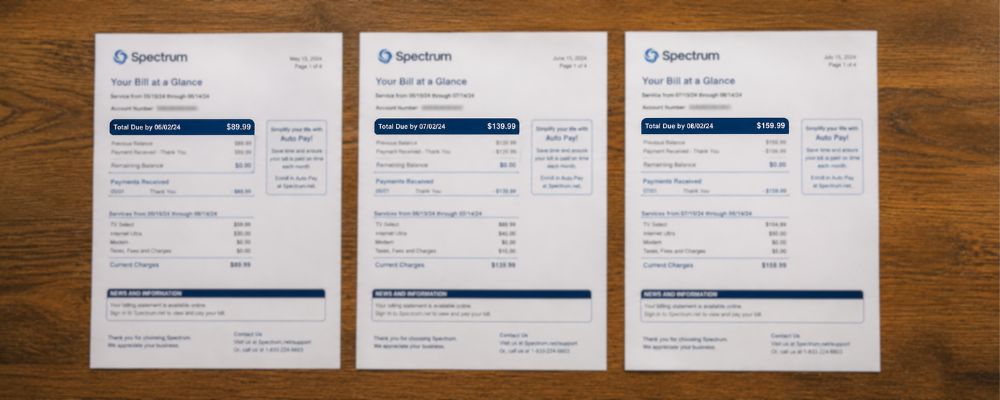
As someone who watches consumer behavior trends in the streaming industry every day, I see this pattern constantly. Cable companies bank on customer loyalty turning into complacency, and that’s exactly how they justify annual price hikes that outpace inflation, which is why learning how to lower cable bill for seniors begins with recognizing this pattern.
The Truth About Major Cable Provider Senior Discounts
Here’s the frustrating reality: most major cable providers like Spectrum, Xfinity, and Cox do not offer senior discounts based solely on age. They sometimes offer low-income assistance programs tied to government benefit programs like SSI or Medicaid, but middle-income retirees living on modest pensions or Social Security don’t qualify. These programs are designed to check a regulatory box, not to genuinely help the average senior household reduce costs. If you call and ask for a senior discount, you’ll likely be told it doesn’t exist or be redirected to a package that’s only marginally cheaper while removing channels you actually watch.
Step 1: How to Lower Cable Bill for Seniors Through Negotiation
Before you make any major changes, it’s worth trying to negotiate your current bill. This is one of the most immediate ways how to lower cable bill for seniors without making any drastic changes. The key is knowing how to navigate the system and who to talk to.
Talk Directly to the Retention Department
When you call your cable company’s main customer service line, the first representative you speak with typically has very limited authority to offer discounts. They can maybe waive a late fee or add a channel, but they can’t restructure your pricing. The people who hold the real power are in the retention department, sometimes called customer loyalty or cancellation prevention. To reach them, you need to say the magic words: “I want to cancel my service.” That single phrase routes your call to someone who has actual promotional offers and discounts at their fingertips.
Timing Your Call for Best Results
When you call matters almost as much as what you say. Retention agents tend to be more flexible toward the end of the month when they’re trying to hit retention quotas, and on weekday mornings when call volume is lower and agents aren’t rushed. Avoid calling on Mondays or the day after a holiday when queues are long and agents are stressed. If the first agent can’t offer a meaningful discount, hang up and call back. Different agents have different levels of authority, and persistence often pays off.
Your Word-for-Word Negotiation Script
Here’s a simple, proven script you can use when you reach the retention department: “I’ve been a loyal customer for several years, but my bill has gotten too expensive for my budget. I’m on a fixed income, and I need to reduce my monthly costs. I’ve been researching alternatives, and I’m ready to cancel unless we can bring my bill down significantly. What can you offer me today?” Stay calm and polite, but be firm.
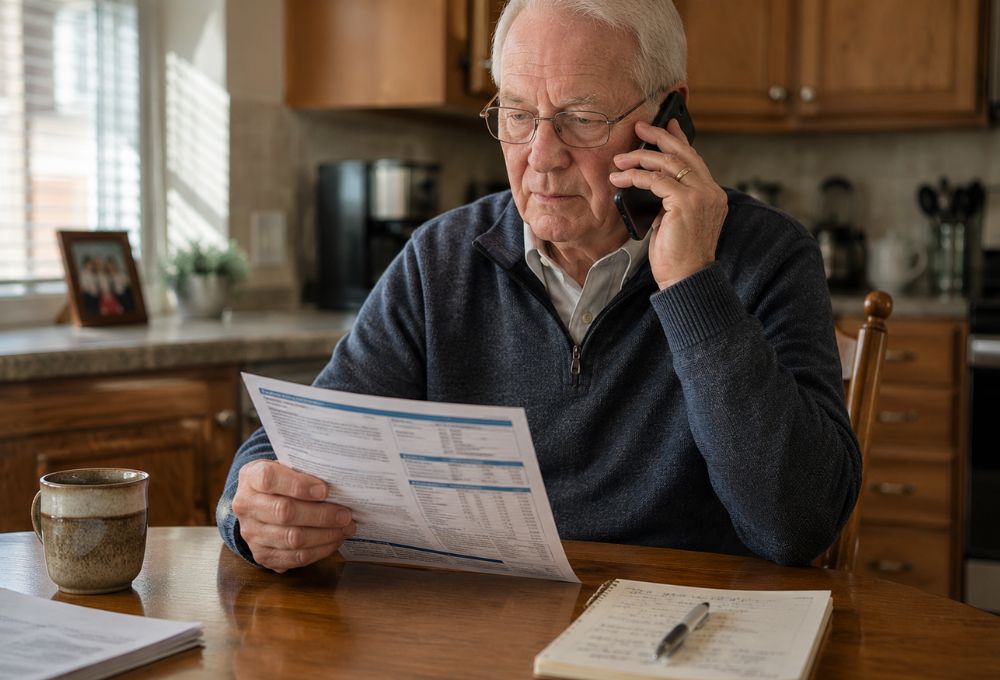
If the first offer isn’t good enough, don’t be afraid to say so and ask if there are other promotions available. Sometimes they’ll put you on hold to “check with a supervisor,” and that’s when better deals appear. This approach can shave $30 to $50 off your bill for six to twelve months but it’s a temporary fix, not a permanent solution.
Stop Renting Equipment You Could Own
One of the most overlooked charges on a cable bill is equipment rental. Most providers charge $10 to $20 per month just to rent the modem or router they supply. Over a year, that’s up to $240 for hardware you never own. Purchasing your own compatible modem outright typically costs $60 to $100 and pays for itself within six months. Call your provider and ask which modems are compatible with your plan, then buy one directly from a retailer and return the rented equipment. This single change can reduce your bill permanently without any negotiation required.
Ask About Seasonal Suspension
If you travel for part of the year or spend extended time away from home, many cable providers allow you to temporarily suspend service for one to three months without canceling. During suspension, you typically pay a small holding fee — often $10 to $15 per month — instead of your full bill. This option is rarely advertised, but it exists at most major providers. Ask specifically about a “seasonal hold” or “vacation suspension” when you call, and confirm whether your promotional rate will be preserved when service resumes.
Step 2: How to Lower Cable Bill for Seniors Without Cutting Cable Entirely
Negotiating only delays the inevitable. But before jumping straight to cord-cutting, it’s worth taking a hard look at what you’re actually paying for — because many households are overpaying not just for cable, but for the entire bundle. Understanding how to lower cable bill for seniors at this stage often comes down to identifying charges that have been quietly accumulating for years.
Unbundle What You Don’t Use
Most seniors are on a triple-play bundle: cable TV, internet, and a home phone line. The phone line alone can add $20 to $40 per month to a bundle, and many households rarely use it. Removing the landline from your bundle won’t affect your TV or internet service, but it can immediately reduce your bill. Similarly, premium channel add-ons like HBO, Showtime, or sports packages are frequently included without customers realizing they’re paying separately for each. Call your provider and ask for a line-by-line breakdown of every charge on your bill. You may find services you’ve been paying for without knowing.
Downgrade to a Skinny Bundle
If you’re not ready to cut cable entirely, downgrading to a smaller channel package is a practical middle step. Most providers offer a basic or skinny tier that includes local broadcast channels, major networks, and a limited selection of cable channels for $40 to $60 per month, significantly less than a full package. The trade-off is losing specialty channels, but if you’re honest about what you actually watch daily, most households find they only regularly use a fraction of the channels they’re paying for.
Check Government Assistance Programs
If you’re on a fixed income, there are legitimate assistance programs worth checking before paying full price. The Lifeline program, administered by the FCC, provides up to $9.25 per month off phone or internet service for qualifying low-income households — including many seniors on Social Security, Medicaid, or SSI. Some states offer additional state-level subsidies on top of the federal benefit. To check eligibility and apply, visit lifelinesupport.org. Internet service is increasingly essential for streaming alternatives, so reducing that cost matters as much as reducing the cable bill itself.
The Streaming App Trap: Why Subscriptions Can Actually Cost You More
The most common advice online is to switch to streaming services like Netflix, Hulu, or YouTube TV. But here’s where things get tricky for seniors and their families. When you start adding up individual streaming subscriptions, the savings can disappear fast. Netflix costs around $15 per month, Hulu is another $8 to $18 depending on the plan, Disney Plus is $14, HBO Max is $16, and YouTube TV runs about $73 per month. If you subscribe to just three or four of these services, you’re right back where you started in terms of cost. Worse, each service requires its own login, its own app, and its own interface. For someone who just wants to turn on the TV and watch their favorite shows, this fragmented experience creates unnecessary stress and confusion.
The Tech Hurdle: Seniors Want Remotes and Numbers, Not Complex Apps
Families who’ve tried setting up a parent or grandparent with a streaming stick know this problem well. Mom can’t remember which app has which show. Dad accidentally clicks into a menu he doesn’t recognize and can’t get back out. Traditional cable, for all its expense, offered one thing that modern app-based streaming often doesn’t: simplicity. You press a number on the remote, the channel appears, and you’re done. Abandoning that for a maze of apps feels like a downgrade, even if it saves money on paper.
Step 3: Switch to a Simple, One-Time Purchase TV Box
For households ready to eliminate the monthly bill entirely, a one-time hardware purchase is the most effective long-term solution. Instead of juggling multiple monthly subscriptions or staying locked into a cable contract, you pay once for a device and you’re done. It’s the final answer to how to lower cable bill for seniors permanently.
The SuperBox Difference: Built for Seniors Who Just Want to Watch TV
SuperBox is an Android-based TV box that’s been on the market for nearly ten years, and it’s one of the few streaming devices designed with simplicity as a priority rather than an afterthought. You pay for the hardware once, connect it to your TV with a standard HDMI cable, and you’re set. No app store navigation, no complicated logins, no need to remember multiple passwords for multiple services.
The interface uses a familiar grid-style program guide, the same format cable boxes have used for years, so finding a show feels natural rather than foreign. The remote control has number buttons just like your old cable remote, which means you can flip to your favorite channel the same way you always have.
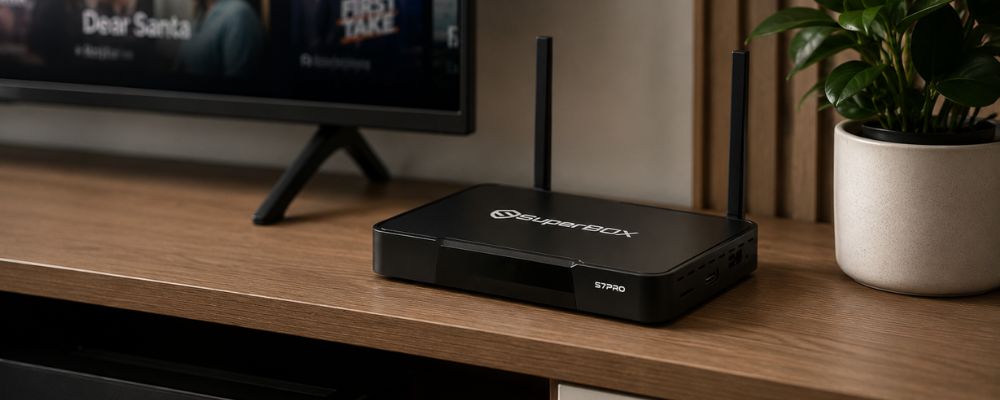
It also includes voice command, so if typing or navigating menus feels like too much effort, you can simply speak the name of a show or channel and the remote finds it for you. For seniors who’ve spent decades with a traditional cable remote, this is the kind of feature that removes frustration rather than adding it.
The Time Shift feature lets you pause and rewind live programs without missing anything, and built-in parental controls make it easy to manage what grandchildren can access when they visit. For seniors who value simplicity and independence, this is a setup that works on day one and stays working, without anyone needing to come over and fix it.
Why a Hardware Purchase Outperforms Cable Bundles
The math is straightforward. If your current cable bill is $150 per month and you eliminate it entirely, that’s $1,800 per year. A SuperBox S7 Pro TV box costs a few hundred dollars once. Even at the higher end, you break even within three months and save well over a thousand dollars in the first year alone. Compare that to the app-based streaming model, where reducing your bill to $60 or $80 per month still costs $720 to $960 per year.
Over five years, the one-time purchase model saves thousands of dollars while also reducing mental load and tech support calls from frustrated family members. For households that have tried everything else, this is ultimately how to lower cable bill for seniors in a way that sticks.
Your Roadmap to Lower Cable Bills for Seniors: A Quick Recap
Here’s a quick recap of what works. Negotiate with your cable provider’s retention department first — a simple call can shave $30 to $50 off your bill temporarily. Audit your bundle and cut what you don’t use: unused landlines, forgotten premium channels, and rented equipment all add up. Check whether programs like Lifeline apply to your situation. And if you’re ready to eliminate the monthly bill entirely, a one-time purchase TV box is the most effective long-term answer to how to lower cable bill for seniors on a fixed income.
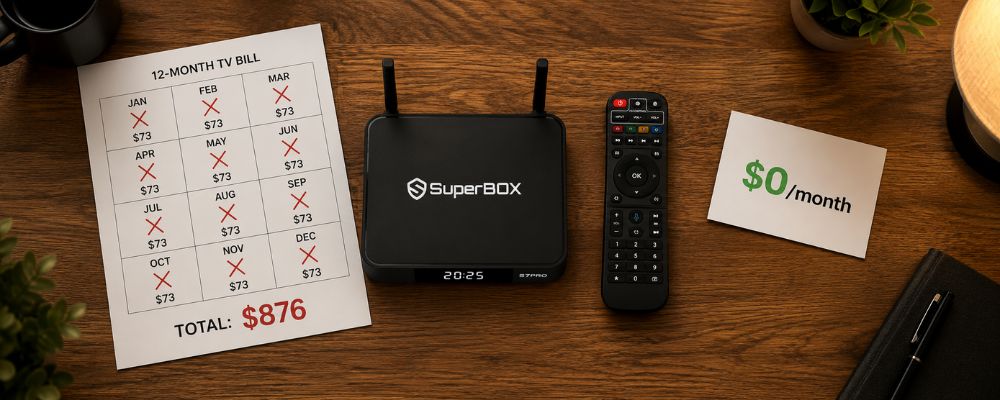
The cable industry’s pricing model is designed to keep you locked in. These steps exist to get you out.
Frequently Asked Questions
Does Spectrum or Xfinity offer a direct discount for seniors?
No, major providers do not offer standard senior discounts based solely on age, though some offer low-income programs for seniors on public assistance. These programs typically require proof of participation in government benefit programs like Medicaid or SSI, which excludes the vast majority of middle-income retirees. If you’re looking for genuine savings without qualifying for income-restricted programs, exploring cord cutting alternatives is often the most effective strategy.
What is the easiest streaming device for non-tech-savvy older adults?
Devices with simple remotes, numbered buttons, and a grid-style program guide tend to work best for older adults because they mirror the traditional cable experience without requiring new habits.
How do I access the retention department to lower my bill?
Call the main customer service number and say you want to disconnect or cancel your service to be routed to retention agents who hold the best deals. These representatives have access to promotional pricing and loyalty discounts that frontline customer service agents cannot offer.
Can seniors get free local TV channels without cable?
Yes, an over-the-air digital antenna is a great way to get free local news and networks, although signal strength depends on your location. Indoor and outdoor antenna options are available at most electronics retailers, and they work with both old and new televisions as long as you have a digital tuner.
How does an Android streaming box save money?
You pay for the hardware once rather than committing to a recurring monthly bill. A streaming box gives you access to both free ad-supported apps and paid streaming services, so you can choose exactly what you want to spend on rather than paying a fixed cable rate for hundreds of channels you never watch. Over the course of just one year, most households avoid paying anywhere from $720 to over $1,800 in recurring cable fees, depending on their current plan.
How to lower cable bill for seniors on a fixed income?
The most effective approach combines negotiating with your current provider’s retention department and exploring DIY streaming media setup options that eliminate monthly fees. SuperBox is one option in this category. It’s designed around a familiar interface that doesn’t require managing multiple app logins or navigating complex menus. The voice command remote also helps for seniors who find typing or scrolling difficult. And as a streaming box, it removes the burden of paying extra just to keep the TV on.
What is the cheapest cable package for seniors?
Most cable providers offer basic packages starting around $50 to $70 per month, but these often exclude popular channels and come with added fees for equipment rental and broadcast surcharges. By the time all charges are included, even “cheap” packages rarely stay cheap.
Are there TV service options for seniors that don’t require internet?
Traditional cable and satellite services like DISH or DirecTV don’t require internet, but they still carry high monthly fees. Over-the-air antennas provide free local channels without internet, though programming is limited.
How can I lower my cable bill without losing channels?
Negotiating with the retention department may preserve your current channels temporarily at a lower rate, but for permanent savings without channel loss, switching to a device that provides programs through an easy-to-use interface is the smartest move. This way, you’re not sacrificing content variety while lowering your monthly bills.