Most households think they understand their monthly cable expenses, but few realize just how deeply they’re being overcharged. The average cable television bill has climbed year after year, stuffed with charges that have nothing to do with the content people actually watch. Breaking down these costs reveals an uncomfortable truth: families waste hundreds of dollars every month on channels they never tune into and fees they never agreed to pay.
Understanding exactly where your money goes and how to escape the cycle of endless billing without sacrificing entertainment options can save thousands of dollars annually. This article breaks down the real numbers, uncovers the hidden fees, and shows a smarter path forward that doesn’t involve trading one monthly subscription trap for another.
The Real Numbers: What is the Average Cable Television Bill?
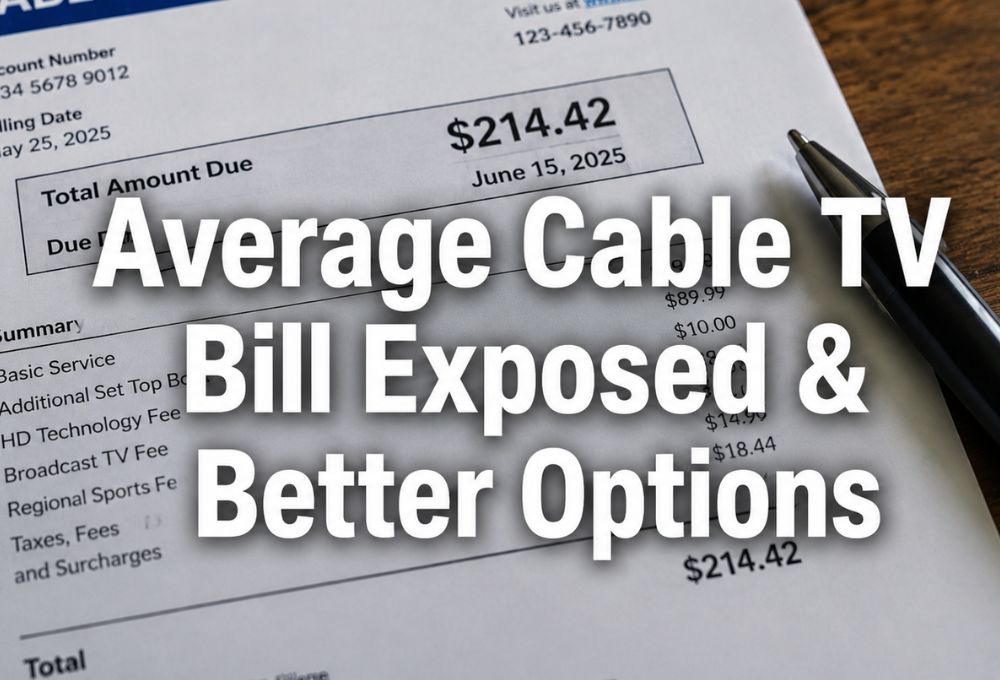
The average cable television bill in the United States hovers around $108 per month for standalone TV service, according to industry data from 2024. However, most consumers don’t purchase television service alone. When bundled with internet, the combined average cable tv bill per month jumps to approximately $188, as reported by USA Today’s consumer technology analysis.
These figures represent the midpoint, which means millions of households pay significantly more depending on their region, provider, and package tier. Premium channel add-ons, higher-speed internet tiers, and equipment upgrades push the typical cable bill well over $200 monthly in many markets.
Standalone Cable TV Cost vs. Internet Bundles
Providers market bundle packages as money-saving deals, but the math rarely supports that claim. A standalone cable TV subscription averaging $108 may seem expensive on its own, yet internet-only plans from the same providers often cost $60 to $80 monthly. When bundled, the combined service jumps to $188, which means consumers end up paying a premium rather than saving money.
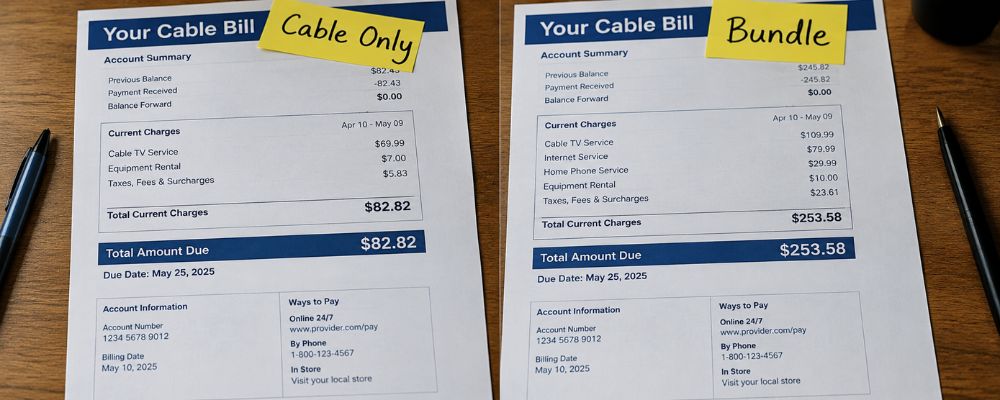
The bundle trap works because promotional pricing masks the true long-term cost. Introductory rates expire after 12 to 24 months, and the average cable television bill quietly climbs $30 to $50 overnight. By that point, customers face early termination fees if they try to leave, locking them into overpriced contracts.
Why Your Actual Bill is Way Higher Than the Advertised Price
Advertised rates never reflect what customers actually pay. Promotional materials showcase eye-catching monthly prices, but the fine print reveals a completely different story. Those low rates exclude taxes, regulatory fees, equipment charges, and various surcharges that providers tack on after the sale.
A package advertised at $99 per month transforms into a $150 bill once all the extras hit the statement. This pricing strategy intentionally confuses consumers, making it nearly impossible to comparison shop or budget accurately. The gap between advertised and actual costs represents one of the most frustrating aspects of traditional cable service.
The Sneaky Hidden Fees Bleeding Your Wallet Dry
Hidden fees make up a shocking portion of the typical cable bill. These charges appear as separate line items, buried in dense billing statements that few customers read thoroughly. Over the course of a year, these fees can add hundreds of dollars to what households expected to pay.
Broadcast TV and Regional Sports Fees
Broadcast TV fees supposedly cover the cost of retransmitting local channels that viewers can receive for free with an antenna. These charges now average $15 to $20 per month, according to Consumer Reports. Regional sports network fees add another $10 to $15 monthly, even for customers who never watch a single game.
These fees exist in a regulatory gray area where providers claim they’re passing through third-party costs, yet the fees far exceed the actual carriage agreements. Worse, customers cannot opt out of these charges even if they have zero interest in local news or sports programming.
Equipment Rentals: Paying to Lease Your Own TV Boxes
Cable boxes and DVR units generate massive recurring revenue for providers through monthly rental fees. Each set-top box costs between $10 and $15 per month to lease, and households with multiple televisions pay for every single box. A family with three TVs might spend $40 monthly just to access service they’re already paying for.

The math becomes absurd when you calculate the long-term cost. Leasing a cable box for five years at $12 per month totals $720, enough to purchase several high-quality streaming devices outright. Providers profit enormously from this model, charging rental fees that dwarf the actual equipment cost within the first year. Many users frustrated with this waste have found that solutions like the SuperBox eliminate equipment rental fees entirely through a simple one-time purchase.
The Math of Channel Bloat: You Are Paying for 185 Channels You Never Watch
Cable packages force consumers to purchase massive channel bundles regardless of viewing habits. The average cable subscription includes approximately 200 channels, yet Nielsen research shows households watch only about 15 channels regularly.
This means customers pay for 185 channels they never watch, wasting over 90% of their subscription cost on unwanted content. If the average cable television bill sits at $108 monthly, viewers effectively throw away roughly $97 of that payment on channels they ignore completely.
Over a year, that channel bloat waste totals $1,164 per household. Over five years, it climbs to $5,820. Families could fund vacations, home improvements, or education savings with that money instead of subsidizing hundreds of shopping channels, obscure sports networks, and outdated programming they never requested.
The bundling strategy benefits providers, not consumers. Cable companies negotiate bulk carriage deals with content owners and then force those costs onto subscribers who have no say in the matter. The entire model treats customers as captive revenue sources rather than individuals with specific entertainment preferences.
The Streaming Trap: How Cord-Cutting Led to Subscription Fatigue
Streaming services initially promised liberation from expensive cable bills, and early cord-cutters enjoyed significant savings. However, the streaming landscape has fractured into a confusing mess of competing platforms, each with exclusive content and rising prices.
Netflix, Hulu, Disney+, HBO Max, Paramount+, Apple TV+, Peacock, and dozens of other services now compete for subscriber dollars. Stacking just five of these platforms easily costs $60 to $80 monthly, and many households subscribe to more. When you add live TV streaming services like YouTube TV or Hulu + Live TV at $70 to $80 per month, the total monthly streaming cost rivals or exceeds traditional cable.

Subscription fatigue has become a recognized consumer pain point. Managing multiple accounts, dealing with different interfaces, remembering which platform hosts which show, and tracking monthly charges across various credit cards creates mental overhead that wasn’t supposed to be part of cord-cutting’s appeal. Many former cable subscribers now wonder if they simply traded one set of problems for another.
Price increases compound the frustration. Streaming platforms raise rates annually, often without adding meaningful value. What started as a $7.99 Netflix subscription now costs $15.49 for the standard plan, and ad-free tiers push costs even higher. The promise of affordable, flexible entertainment has given way to another form of recurring payment overload. For those seeking relief, exploring whether alternatives to cable tv that avoid monthly fees make more sense has become a growing priority.
Bypassing the Monthly Cycle with One-Time Purchase TV Boxes
Breaking free from both cable bills and streaming subscription creep requires a different approach entirely. Instead of trading one monthly payment model for another, smart consumers are turning to hardware solutions that eliminate recurring fees altogether.
Android TV boxes represent a fundamental shift in how households access entertainment. These devices connect to any television with an HDMI port and provide access to a wide range of streaming apps and content without requiring monthly subscriptions to the hardware itself.
Moving to a Zero-Subscription Setup with Hardware Like SuperBox
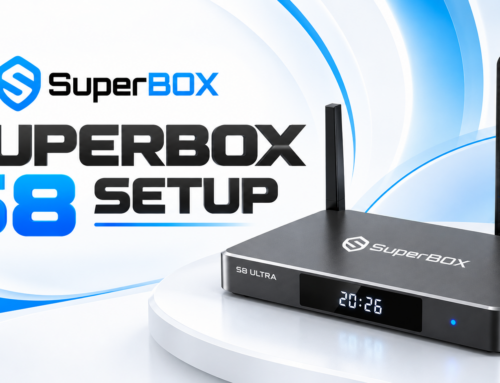
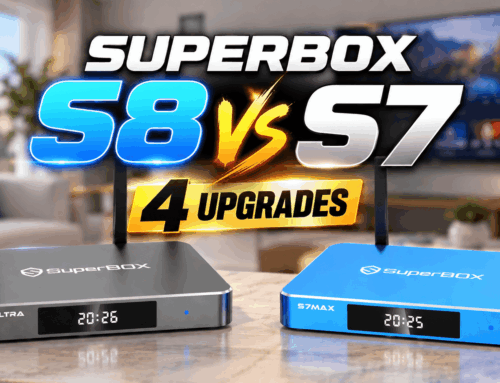
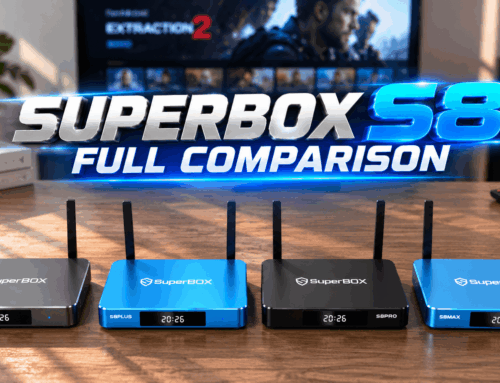
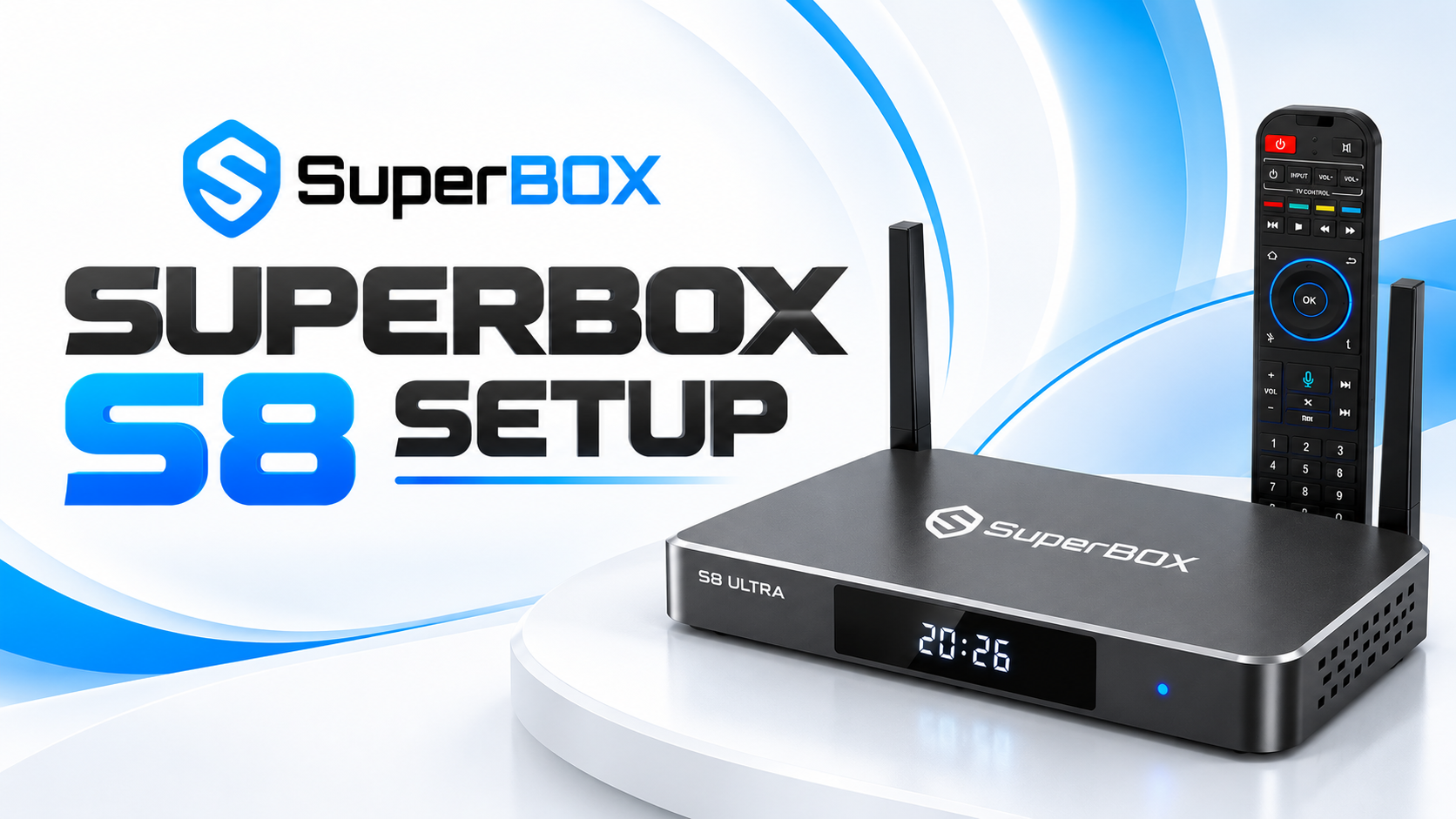
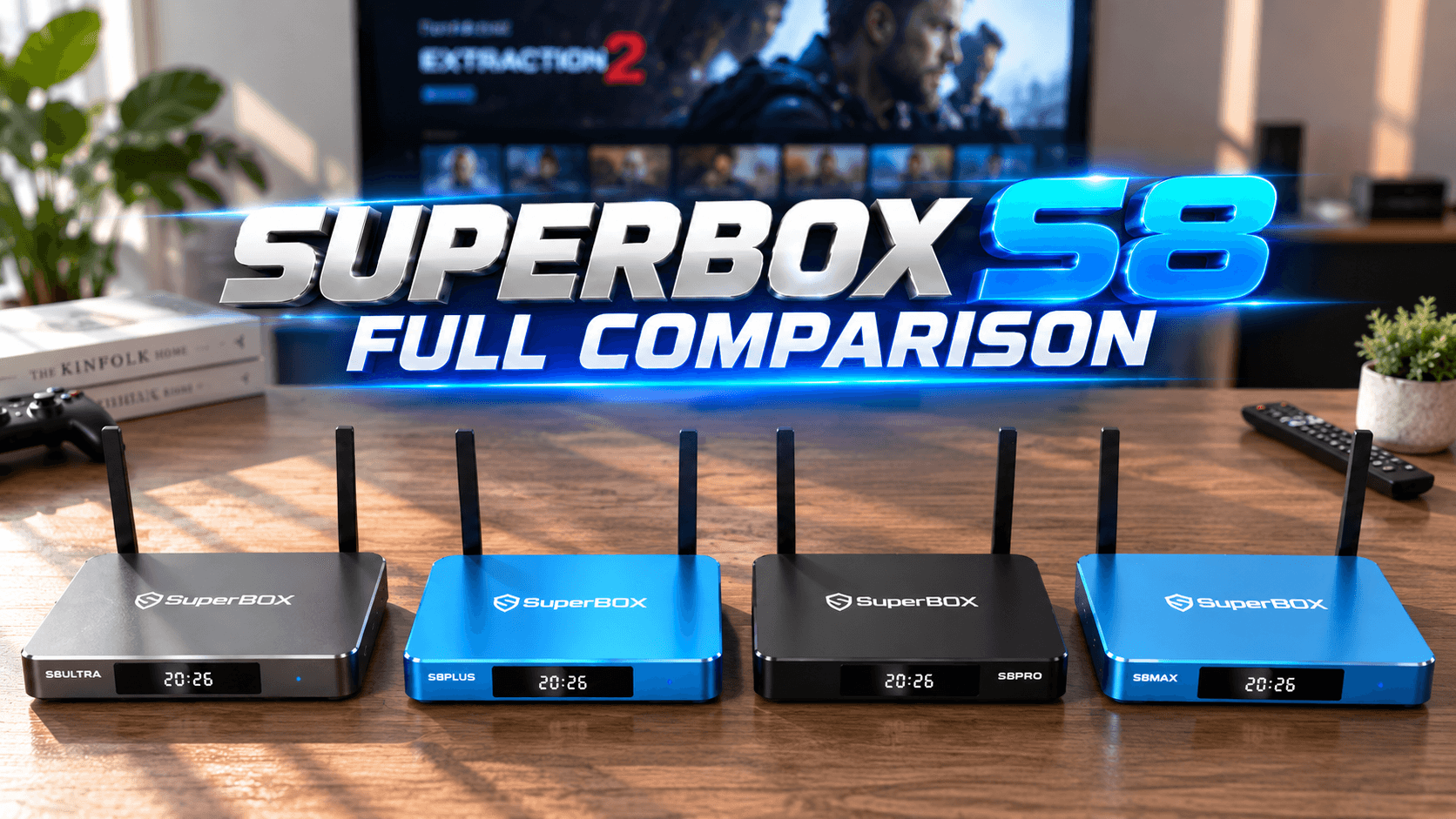
The SuperBox S7 Ultra Android TV box offers a practical example of how one-time purchase hardware solves the recurring billing problem. After the initial investment, there are no monthly fees for the device itself, no equipment rental charges, and no surprise rate increases.
This model appeals particularly to households tired of tracking multiple subscriptions and dealing with annual cable rate hikes. The device supports a wide range of streaming apps and content, including international programming that cable packages often exclude or charge premium rates to access.
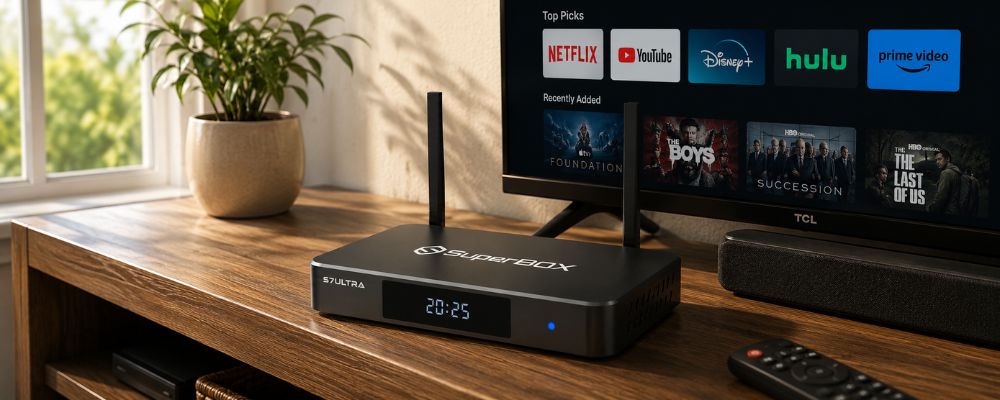
Voice command functionality, parental controls, and time-shift features make these devices suitable for all family members, from children to grandparents. The learning curve is minimal, especially compared to navigating the complicated channel guides and outdated interfaces that cable boxes force on users.
SuperBox has maintained a strong presence in the North American market for nearly a decade, building a reputation for reliable hardware that lasts. The longevity of the devices means the one-time cost spreads across many years of use, dramatically reducing the per-month entertainment expense compared to both cable and stacked subscriptions. When calculating yearly savings against the cost of streaming services piled together, the advantage of one-time hardware becomes undeniable.
Smart Steps to Safely Cut the Cord and Save Thousands
Transitioning away from traditional cable requires a thoughtful approach to avoid pitfalls that trip up many cord-cutters. The goal isn’t just to cancel cable, but to build a sustainable entertainment setup that actually saves money long-term.
First, audit current viewing habits. Track which channels family members actually watch for two weeks. Most households discover they genuinely use fewer than 20 channels, making expensive cable packages impossible to justify.
Second, calculate the true all-in cost of the current cable bill including every fee and tax. Compare that annual total against the cost of alternative setups. A one-time purchase of quality streaming hardware plus a basic internet connection almost always costs far less over a multi-year period than continuing with traditional cable.
Third, consider international content needs. Many families, especially immigrant communities, pay premium prices for international channel packages through cable providers. A device like the best TV box options available often provides better access to global content without the markup cable companies charge.

Fourth, involve all household members in the transition. Older family members may resist change at first, but modern streaming boxes with simple remotes and voice commands often prove easier to use than complicated cable systems. Taking time to set up favorites and demonstrate basic functions ensures everyone stays comfortable with the new setup.
Fifth, keep internet service separate from TV decisions. Bundling locks consumers into contracts that benefit providers, not customers. Purchase standalone internet service at the speed your household actually needs, then add a one-time purchase streaming device to handle entertainment. This separation provides maximum flexibility and prevents the bundle trap.
These steps apply whether a household cuts the cord completely or simply reduces the bloat of unnecessary cable tiers and equipment charges. The key insight is that the average cable television bill has reached unsustainable levels, and smarter alternatives exist that don’t require sacrificing quality or convenience.
Frequently Asked Questions
What is the average cable TV bill in the US?
The average standalone cable TV bill sits around $108 per month, while bundled packages with internet average $188 monthly. These figures don’t include promotional periods, which temporarily reduce costs before jumping back up after the first year.
Why is my cable bill so much higher than the promotional rate?
Promotional periods expire after 12 to 24 months, returning the bill to standard pricing. Additionally, broadcast TV fees, regional sports charges, equipment rental fees, and taxes add significant costs that promotional materials don’t prominently disclose upfront.
What are the most common hidden cable fees?
The most common hidden charges include broadcast TV fees ($15-$20 monthly), regional sports network fees ($10-$15 monthly), cable box rental fees ($10-$15 per box monthly), DVR service fees, and various regulatory recovery charges that providers pass through to customers.
Does streaming really save you money compared to cable?
Streaming saves money only if subscribers limit their services. Stacking multiple monthly streaming subscriptions quickly adds up to cable-level costs. The most effective savings come from one-time purchase hardware solutions that eliminate recurring device fees entirely while still providing access to streaming apps.
Can I get live TV and international channels without overpaying?
Yes, Android TV boxes provide access to a wide range of streaming content and apps without requiring monthly hardware fees. Devices like SuperBox have served the North American market for nearly a decade, offering international content access throught both paid and free apps that cable packages often exclude or charge premium rates to provide.
Stop paying $200+ a month for channels you don’t watch. Get SuperBox and never see a cable bill again!