For decades, Comcast was the default choice for TV in American households. One cable box, hundreds of channels, and everything bundled into one monthly bill. But that setup no longer matches how most families watch TV today. Families now stream on demand, watch at different times, and expect flexibility. Monthly cable packages built for a different era simply don’t fit anymore. That’s why more households are actively searching for the best Comcast alternatives.
Why We Believe Comcast is No Longer a Good Fit for Families
From a usage and cost-efficiency standpoint, Comcast’s cable model increasingly conflicts with modern household behavior. Based on recurring patterns in cord-cutting discussions, the issue is less about content quality and more about structural inefficiencies in how the service is priced and packaged.
Key drawbacks families frequently point out include:
- Cost escalation without usage growth: Monthly bills tend to increase over time due to broadcast fees, regional sports fees, and equipment rentals, even when viewing habits remain unchanged. This disconnect between cost and consumption often pushes families to evaluate the best Comcast alternatives instead of staying within the cable ecosystem.
- Tier-based packaging that limits cost control: Access to commonly watched channels is tied to higher-tier bundles, making it difficult for households to scale their TV plans based on actual needs. Families that rely primarily on on-demand viewing end up paying for channel volume rather than relevance.
- Poor efficiency for low-intensity viewers: Comcast remains functionally usable for seniors who prefer linear TV, but its pricing model is not optimized for light usage. Many low-viewership households still pay full bundle rates, which is why caregivers increasingly research the best Comcast alternatives for seniors that preserve simplicity while reducing recurring costs.
Viewed collectively, these factors explain why Comcast’s traditional cable offering no longer aligns with family viewing economics, despite remaining operationally familiar for certain audiences.
The Best Comcast Alternatives: What Families Are Replacing Comcast With
Below are best Comcast alternatives that are real, active, and widely used in the U.S. today, each with a clear use case.
Modern Streaming Boxes as a Comcast Alternative
All-in-one streaming boxes have emerged as a practical option for households looking to simplify their TV setup while reducing long-term costs. Instead of relying on traditional cable bundles, these devices consolidate streaming, live TV apps, and on-demand platforms into a single interface.
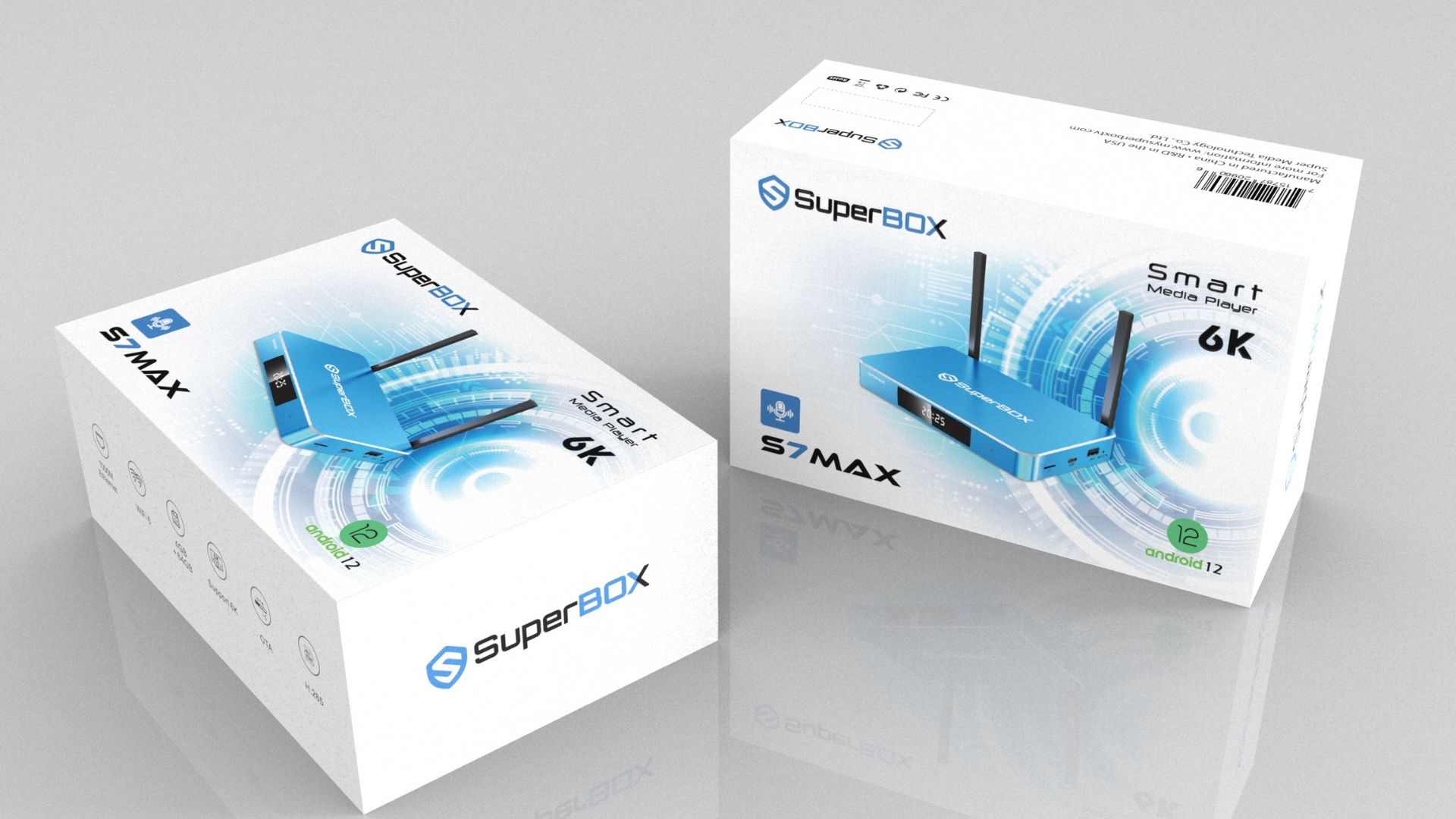
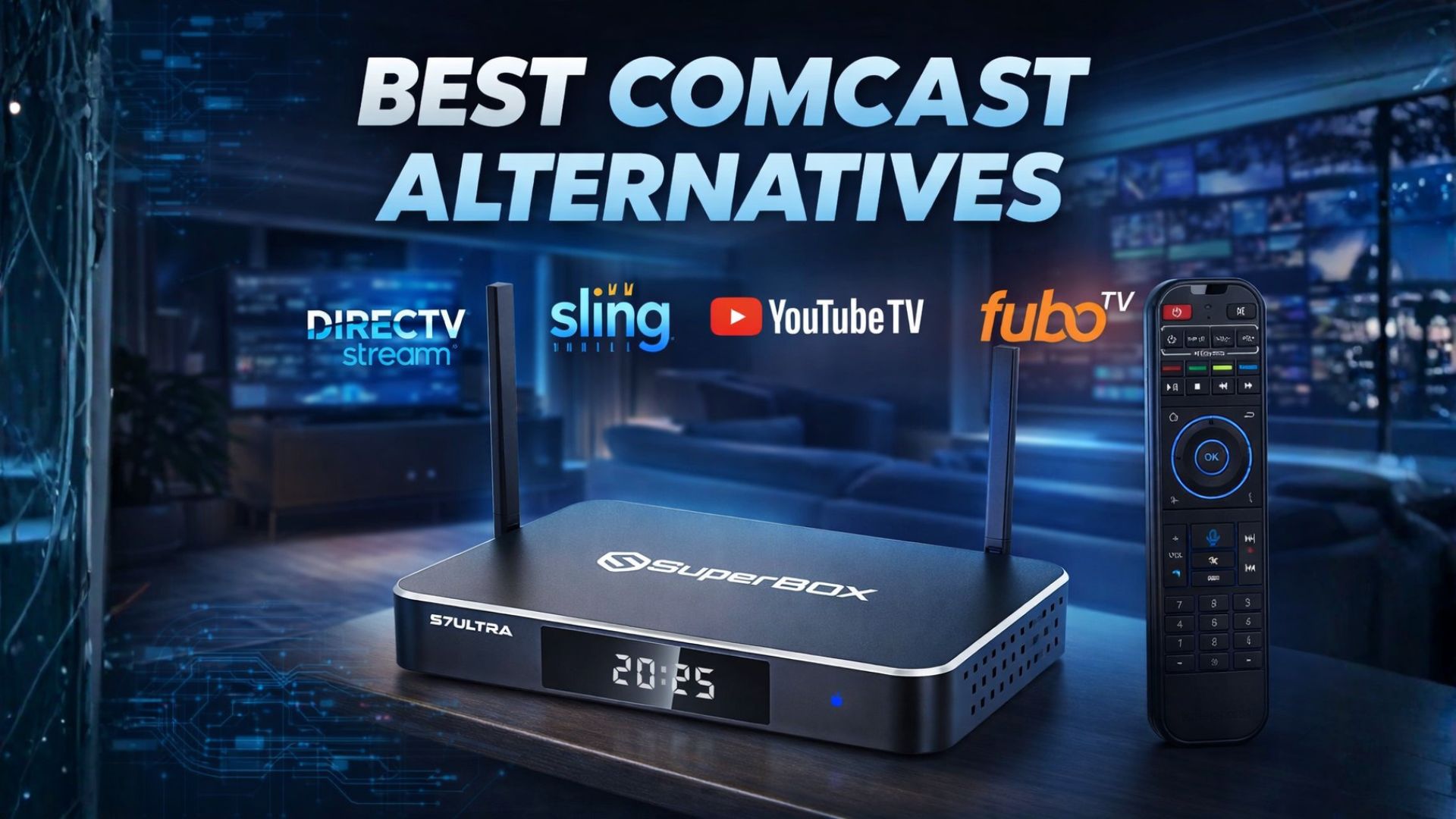
Among them, SuperBox is often mentioned as the best Comcast alternative by users who want to avoid recurring cable bills. It has helped millions of users lower their ongoing streaming and TV expenses by reducing dependence on expensive monthly cable packages. For families focused on long-term cost control rather than short-term promotions, this all-in-one approach continues to gain attention as cable becomes harder to justify.
Live TV Streaming Services (Cable-Like, But More Flexible)
For families who still want news, sports, and major channels, live TV streaming is one of the best Comcast alternatives.
YouTube TV
- Full live TV lineup
- Cloud DVR
- No long-term contracts
Sling TV
- Lower-cost entry plans
- Customizable channel packs
Sling is often cited as one of the best Comcast alternatives for saving money. It’s suitable for families who don’t need every channel.
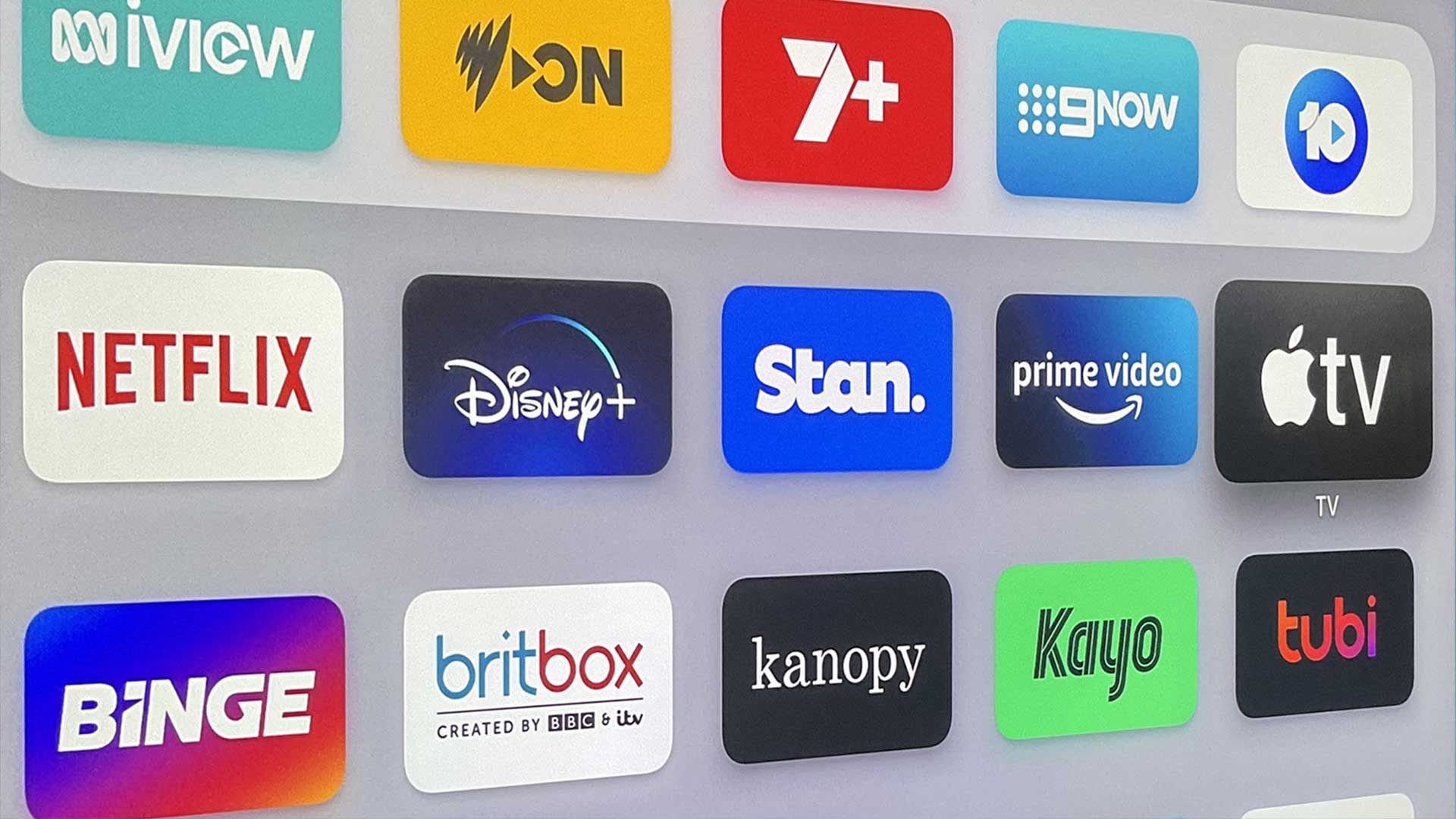
Hulu + Live TV / Philo / FuboTV
- Hulu + Live TV: balanced entertainment + live channels
- Philo: budget-friendly entertainment
- FuboTV: sports-focused
TV Boxes and Smart TVs With 3rd Party Add-Ons
Another widely discussed Comcast replacement is the use of TV boxes or Smart TVs combined with third-party add-ons. Instead of relying on traditional cable or official app stores alone, many users configure their devices to access a broader range of streaming sources in one place.
How this setup typically looks in practice:
- A household uses a Smart TV or Android-based TV box as the main viewing device
- Instead of depending only on pre-installed apps, users add media platforms that support community-built add-ons (like Kodi)
This configuration is frequently mentioned alongside other best Comcast alternatives, particularly by households that want more autonomy over their TV experience. That said, forum discussions also highlight trade-offs:
- Higher technical barrier: Setup typically requires more technical knowledge than plug-and-play cable.
- Unreliable app performance and sources: While many third-party apps exist, users frequently note that app stability and stream availability are inconsistent. Links may stop working without notice, especially when apps are not officially supported.
- Heavy advertising and pop-ups: Forum users often mention aggressive ads, frequent pop-ups, and cluttered interfaces, making it difficult to find reliable apps with a smooth viewing experience.
- Increased security and stability risks: Installing unverified apps can expose devices to bugs, malware, or system instability, a concern commonly raised in discussions about unofficial streaming setups.
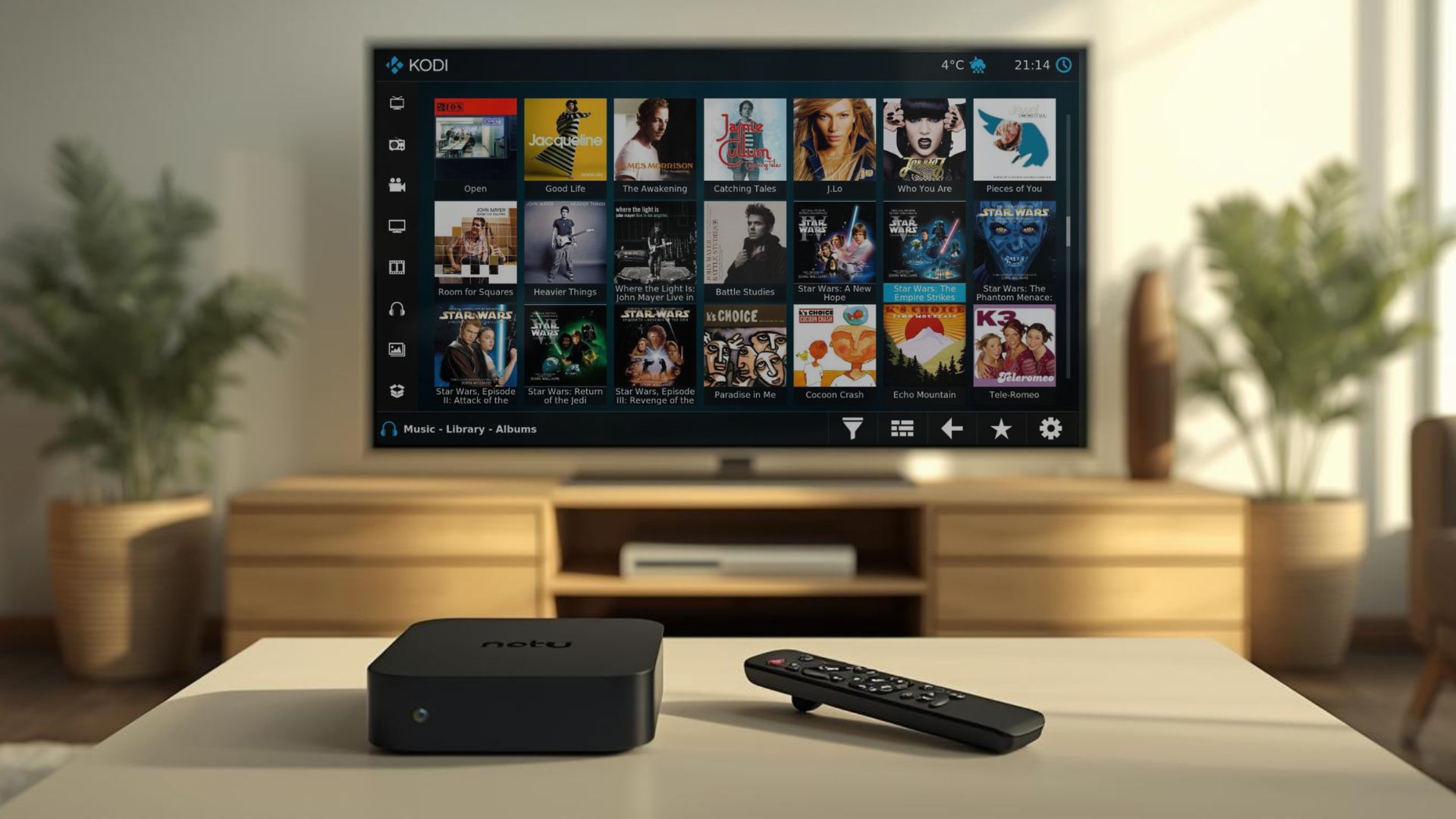
For many families, this approach isn’t about replacing Comcast with a single service, but about building a flexible viewing system that aligns better with how they consume TV today. That flexibility is why this setup continues to appear in conversations around the best Comcast alternatives.
Cost Comparison: Comcast vs Modern Alternatives
The table below outlines how Comcast compares with commonly used alternatives in terms of monthly cost and flexibility, including setups that use all-in-one streaming boxes like SuperBox as part of the viewing ecosystem.
Option Estimated Yearly Cost Flexibility Comcast Cable $1000+ Low Live TV Streaming Services $480–$960 Medium–High All-in-One Streaming Box Starting at $299 (no recurring TV fees in later years) High
In practice, many families often combine a streaming box with free or selective paid services, or use a SuperBox streaming box, creating a setup that remains flexible and predictable over time. Compared to Comcast’s recurring fees, this approach offers clearer cost control, especially for households focused on lowering long-term TV and streaming expenses.
Final Thoughts: Choosing the Best Comcast Alternatives for Your Family
Comcast isn’t broken, it’s just no longer designed for modern families. It still fits some seniors, but even then, the cost often outweighs the benefits. The smartest approach isn’t replacing Comcast with one service — but building a setup that fits how your household actually watches TV.
Email: [email protected]