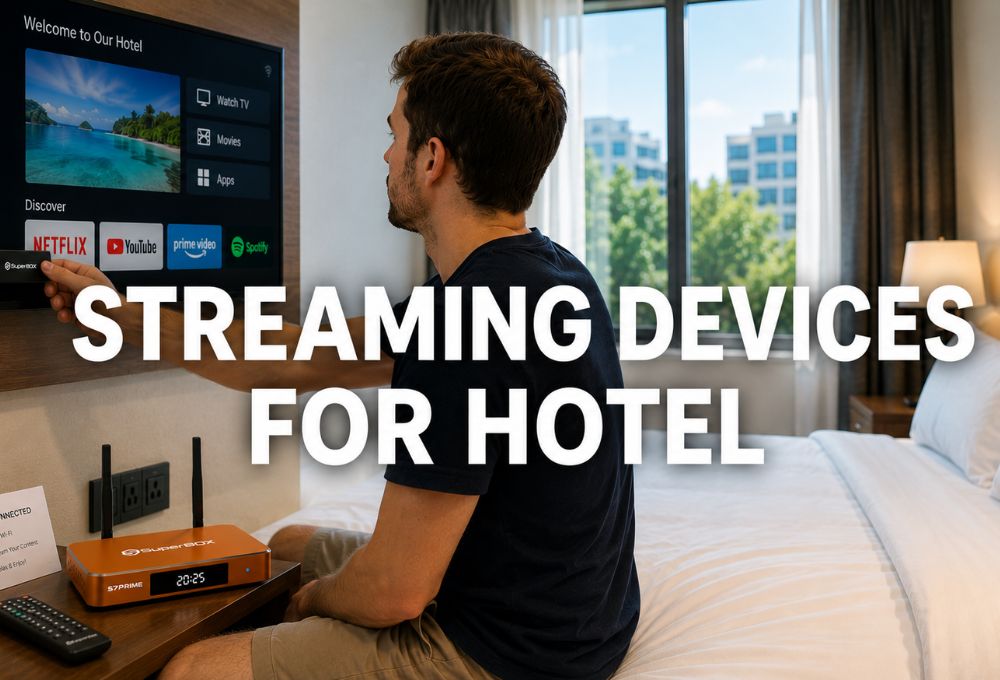
Travelers tired of flipping through limited hotel cable channels know the frustration of trying to stream their own content on the road. The reality is that most hotel entertainment systems weren’t designed with modern streaming devices in mind. Between restrictive Wi-Fi networks, locked-down TV hardware, and underpowered USB ports, turning a hotel room into a comfortable viewing space can feel like solving a puzzle with missing pieces. This guide breaks down exactly how to overcome every roadblock and highlights why choosing the right streaming device for hotels makes all the difference for frequent travelers and international viewers who want seamless access to their favorite content without the hassle of logging into multiple apps on public networks.
Why Hotel TVs Make Streaming So Hard
Hotel entertainment systems are built for simplicity and security, not guest flexibility. Most properties lock down their infrastructure to prevent tampering, which can create friction for travelers trying to use their own devices.
The Captive Portal Wi-Fi Trap
Most hotels require a login through a captive portal before granting internet access. This works fine on phones and laptops, but streaming boxes and sticks often can’t display that login page — leaving the device stuck in an authentication loop. Newer models handle this better, but it’s still a common pain point.
Limited Content and Local Channels Only
Beyond connectivity, the content itself is often a problem. Many hotels offer only local TV channels, and while some properties provide Netflix, they rarely include the international channels or home-country programming that travelers actually want.
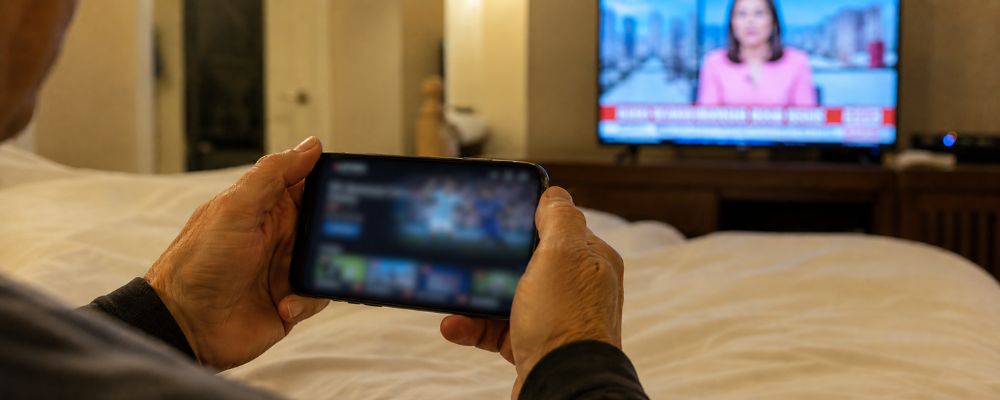
For families traveling abroad, watching familiar content means switching to a phone or laptop — which is inconvenient, especially for older family members less comfortable with small screens. On top of that, built-in hotel TV interfaces tend to be slow and outdated, making navigation feel clunky compared to what most people are used to at home.
Locked HDMI Ports and Low-Power USBs
Physical access is another common hurdle. TVs are often wall-mounted with limited clearance, making HDMI ports hard to reach. And even when accessible, the TV’s USB port frequently doesn’t supply enough power to run streaming devices reliably — causing boot loops or crashes. For those seeking a streaming device for hotels that handles power efficiently, choosing hardware with reliable external adapters becomes critical.
Best Streaming Devices for Hotel Travel
Selecting the right hardware depends on balancing portability, compatibility, and ease of use. Different travelers have different priorities, but the best streaming device for hotels should handle captive portals, work reliably with external power, and ideally minimize the need for multiple subscription logins while on public networks.
Amazon Fire TV Stick and Roku: The Budget Basics
Amazon Fire TV Stick and Roku devices dominate the portable streaming market for good reason. They are compact, affordable, and widely supported by major streaming apps. Roku even offers a dedicated hotel mode that simplifies the Wi-Fi connection process by allowing users to authenticate through a companion phone app. Fire TV Stick users can access Amazon’s ecosystem easily, and both devices support voice commands for hands-free navigation.
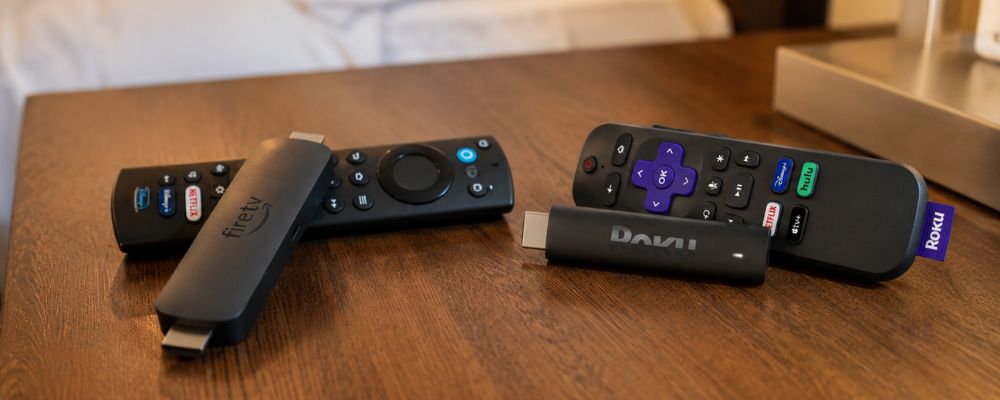
However, both platforms come with limitations that become apparent in hotel environments. Users must sign into each individual streaming app separately, which means typing passwords on a remote using an on-screen keyboard while connected to a public network. This repetitive process becomes tedious and raises privacy concerns. Additionally, both devices rely on the hotel TV’s USB port for power, which frequently leads to the boot-loop issues mentioned earlier. Travelers who rely on these budget options should pack a wall adapter and be prepared to troubleshoot network authentication challenges.
SuperBox: The Ultimate Android Box for No-Fuss Global Content
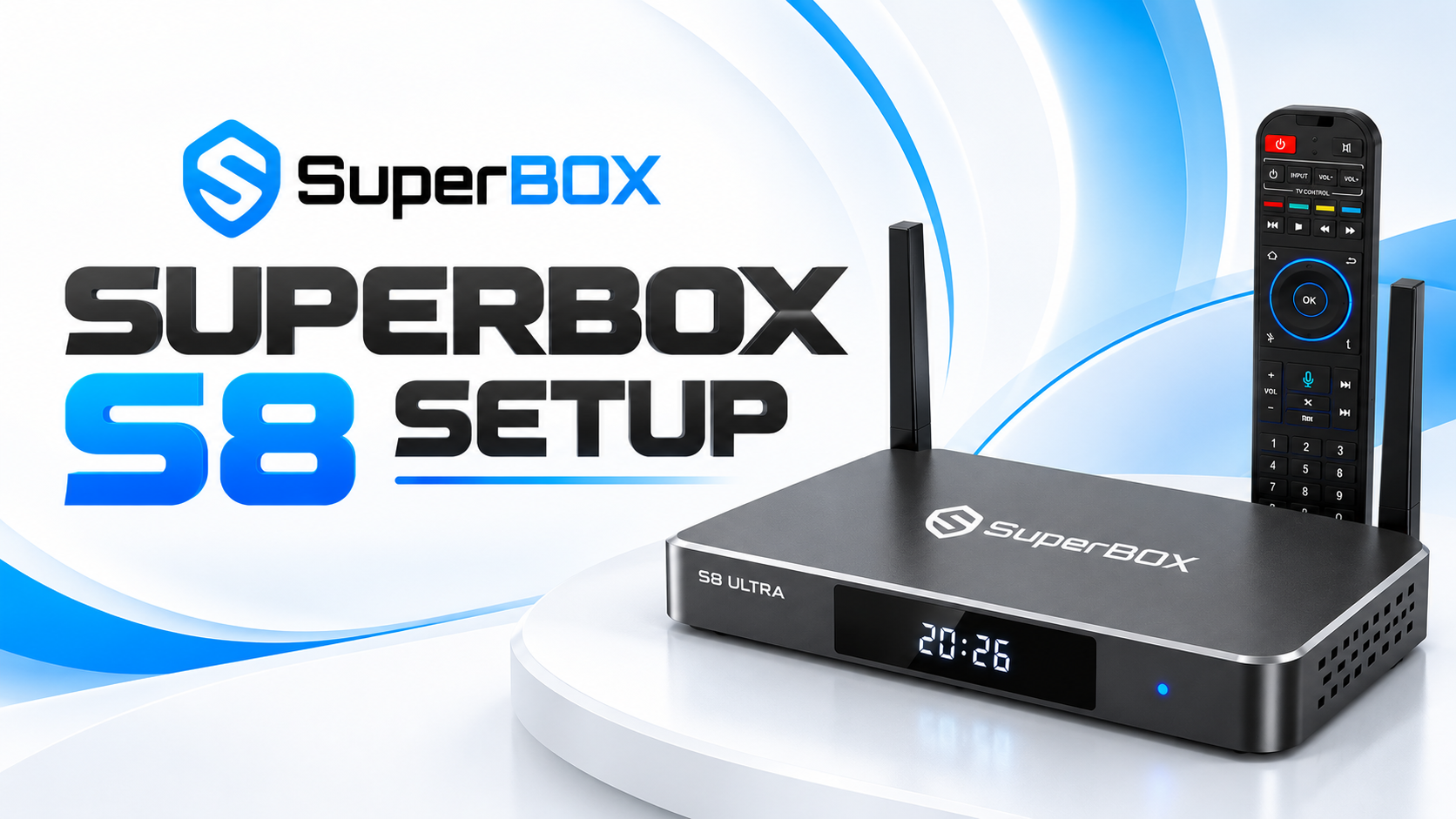
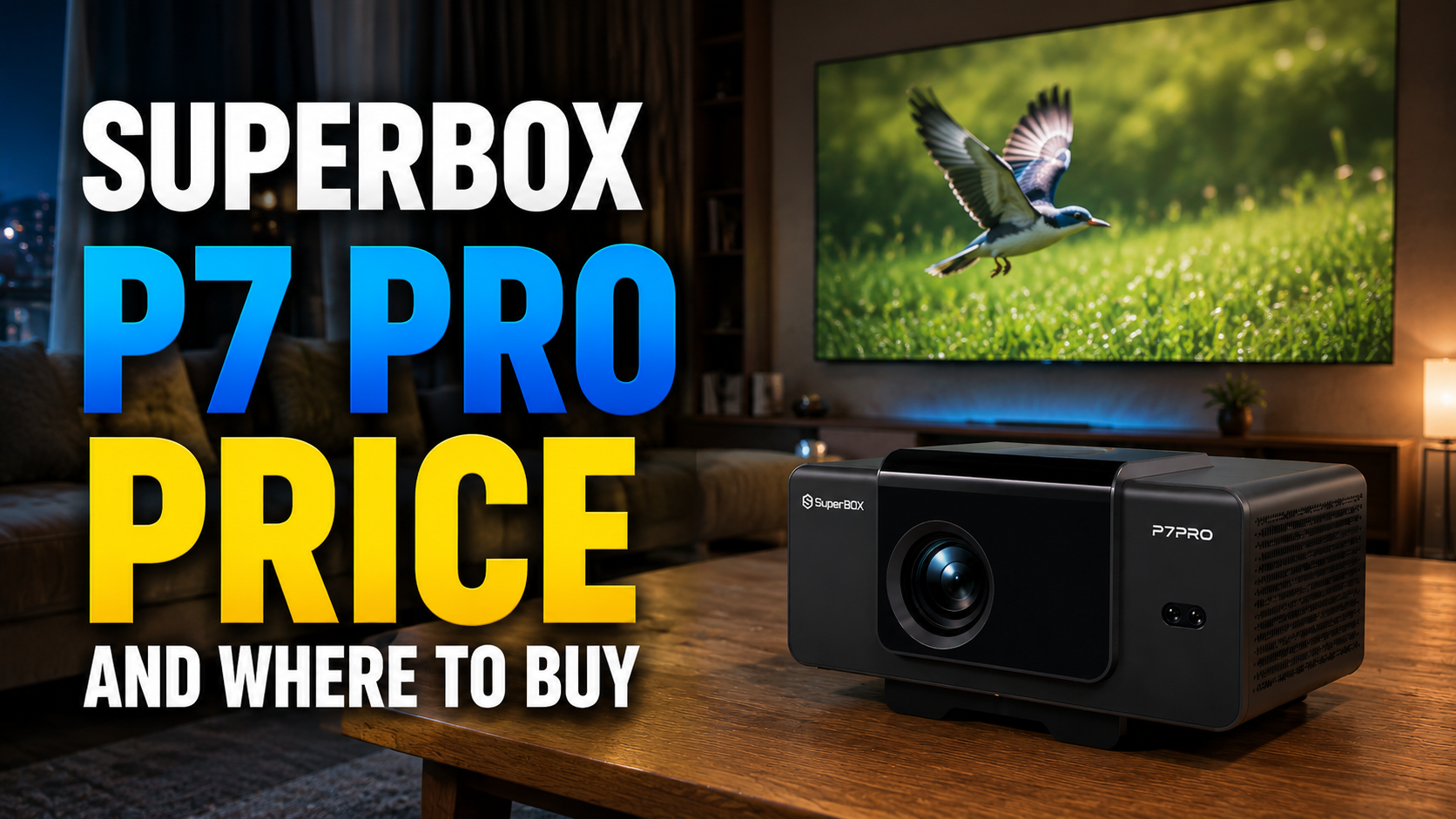
For travelers who want a more streamlined experience, especially those tired of logging into multiple apps on every new network, an Android TV box like SuperBox offers a compelling alternative. Unlike basic streaming sticks, SuperBox is a self-contained Android TV device that supports a wide range of streaming apps and content without requiring users to repeatedly log into personal accounts on public networks. This makes it an ideal streaming device for hotels where privacy and convenience matter most.
SuperBox runs on a one-time purchase model, which appeals to budget-conscious travelers tired of paying for cable or services they barely use. The hardware is designed for reliable performance with external power adapters, eliminating the USB port power problems that plague lighter streaming sticks. Its Android interface supports voice commands and includes parental controls, making it suitable for family travelers. Most importantly, SuperBox is built to handle content seamlessly, a clear win for travelers who want access to home programming while abroad.
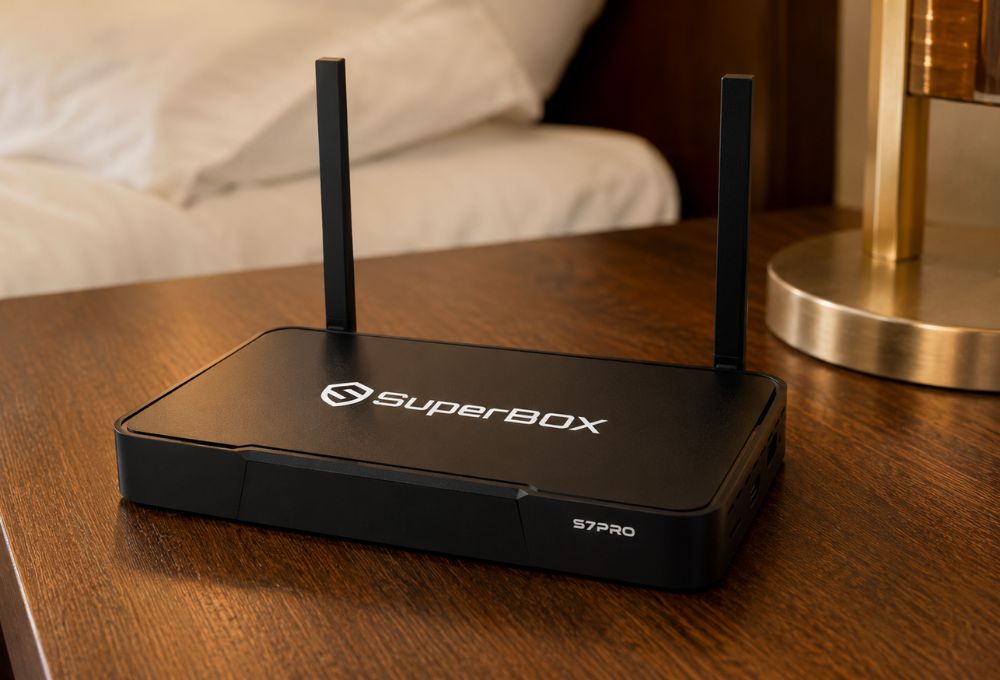
The device’s robust hardware and straightforward setup mean users can plug in via HDMI, connect to the hotel Wi-Fi once, and start watching without the hassle. For frequent travelers and road warriors, having a dedicated streaming device for hotels like SuperBox simplifies the entire experience and eliminates the headaches associated with managing multiple logins on insecure networks.
The Pro Traveler’s Gear List
Beyond choosing the right device, savvy travelers pack a few inexpensive accessories that dramatically improve the hotel streaming experience. These small additions solve the most common physical and network challenges, turning any room into a functional entertainment setup.
HDMI Extension Cables and Right-Angle Adapters
A short HDMI extension cable and a right-angle adapter are two of the most valuable items a traveler can carry. Extension cables allow users to reach ports hidden behind wall-mounted TVs without straining connectors. Right-angle adapters make it possible to plug devices into tight spaces where a standard straight connector will not fit. Together, these accessories cost less than ten dollars but solve the majority of physical access problems encountered in hotel rooms.
Why You Need a Portable Travel Router
A pocket-sized travel router is a game-changer for anyone serious about hotel streaming. These devices connect to the hotel Wi-Fi network once through the captive portal, then create a private secure network that all personal devices can join without re-authenticating. This setup eliminates the repetitive login screens, bypasses client isolation security that blocks device-to-device communication, and adds an extra layer of privacy by shielding personal gadgets from the public network.
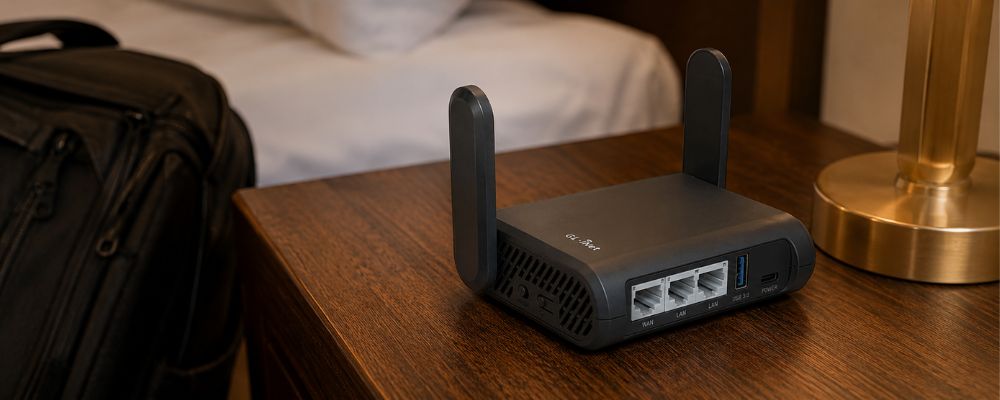
Popular models from brands like TP-Link and GL.iNet cost between thirty and sixty dollars and fit easily into a laptop bag. Once configured, a travel router makes connecting any streaming device for hotels effortless, whether it is a basic Fire Stick or a more capable Android box like SuperBox. Frequent travelers and flight attendants who regularly deal with hotel networks consider travel routers essential gear.
Wrapping Up Your Ultimate Travel Setup
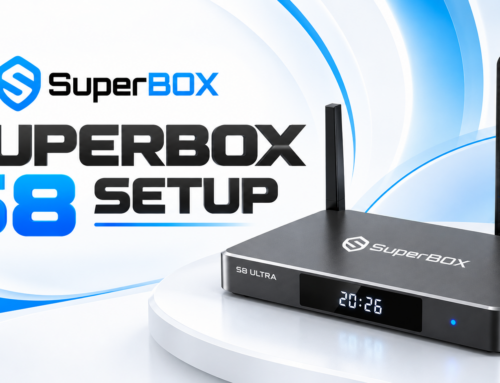
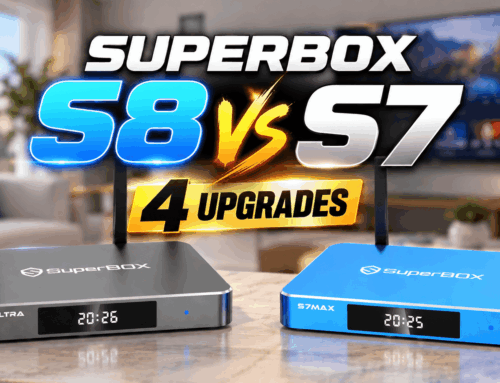
Turning a hotel room into a comfortable streaming space is entirely possible with the right preparation. The key is understanding the challenges, selecting appropriate hardware, and packing a few essential accessories. Travelers who want simplicity and reliability often find that investing in a capable Android box like SuperBox S7 Ultra Android TV box eliminates most frustrations associated with captive portals and multiple subscription logins. Pairing that with a travel router, HDMI adapters, and a wall power adapter creates a complete kit that works in virtually any environment.
The streaming industry has evolved rapidly, but hotel infrastructure has lagged behind. Travelers who take control of their entertainment setup enjoy access to international content, privacy from public networks, and the convenience of a personalized viewing experience no matter where they are. Whether crossing time zones for business or exploring new destinations for leisure, having the right streaming device for hotels transforms downtime into genuine relaxation.
Real-World Insights and Industry Trends
Frequent travelers — from flight attendants to digital nomads — consistently point to the same pain points in hotel streaming. Reddit threads and travel forums praise Roku’s hotel mode but note it still struggles with some network setups. Many advocate for a cheap travel router as the simplest fix, while others carry HDMI cables to run everything from their phones, though that drains batteries fast and isn’t ideal for group viewing.
The broader market reflects this frustration. Portable streaming devices are now among the most commonly packed tech items for both business and leisure travelers, yet hotel Wi-Fi authentication and hardware compatibility remain widespread complaints. Streaming platforms have responded with offline download features, but these don’t replace the desire for a proper home-like viewing experience on a big screen. The result is growing demand for devices that just work without complex setup or multiple logins.
Final Thoughts on Choosing the Right Streaming Device for Hotels
Navigating the world of hotel streaming does not have to be complicated. The right combination of hardware, accessories, and knowledge transforms even the most restrictive hotel room into a functional entertainment hub. Budget-conscious travelers can succeed with Fire TV Sticks and Rokus if they pack the necessary adapters and are willing to work through captive portal logins. Those who prioritize convenience, international content, and privacy will find that investing in a capable Android TV box like SuperBox pays dividends in reduced frustration and enhanced viewing options.
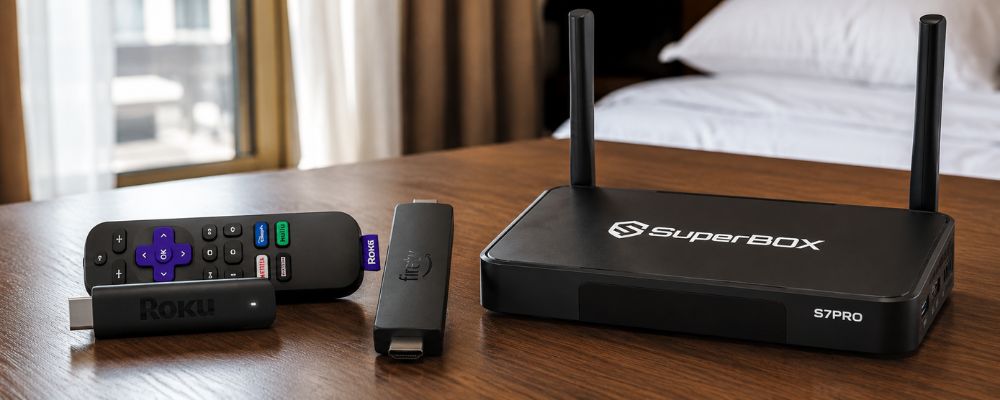
Ultimately, the best streaming device for hotels is the one that fits individual needs and travel patterns. Frequent flyers who cross borders regularly benefit from devices that handle global content effortlessly. Families traveling together appreciate parental controls and easy interfaces. Business travelers value quick setup and reliable performance. SuperBox checks all these boxes while eliminating the subscription fatigue that comes from managing multiple streaming services on insecure public networks. With nearly ten years in the market and a reputation for straightforward one-time purchase pricing, it represents a practical solution for travelers who want cable-free entertainment without ongoing costs or complicated configurations.
By understanding the challenges, selecting appropriate hardware, and packing a few key accessories, any traveler can enjoy a seamless streaming experience in hotel rooms worldwide. The days of settling for limited cable channels or struggling with incompatible devices are over for those who take control of their entertainment setup and choose tools designed with real-world travel conditions in mind.
Frequently Asked Questions
Can you use a Firestick or Roku in a hotel?
Yes, you can use them as long as you can navigate the hotel’s wireless sign-in page, which often requires a companion phone or laptop to authorize. Roku’s built-in hotel mode simplifies this process, but both devices may still struggle with certain network configurations. Users should be prepared to troubleshoot and consider using a travel router for a more reliable connection.
What do I do if the hotel TV’s HDMI port is blocked or hard to reach?
Keep a short HDMI extension cable and a right-angle adapter in your travel bag to easily plug into tight spaces behind wall-mounted TVs. These inexpensive accessories solve the majority of physical access problems and are essential for any traveler who regularly uses a streaming device for hotels.
Can I power my streaming device from the hotel TV’s USB port?
It is tempting, but many hotel TVs have low-voltage USB ports that cause devices to crash or boot-loop, so using a wall adapter is always recommended. Carrying a dedicated power adapter ensures consistent performance and avoids the frustration of endless reboots during setup.
Why is a travel router recommended for hotel streaming?
A travel router connects to the hotel Wi-Fi once and shares that connection with all your personal devices, creating a secure private network and bypassing repetitive login screens. This setup also defeats client isolation policies that prevent devices from communicating with each other, making it easier to use casting features or share content across gadgets.
Why won’t my phone cast directly to the hotel TV?
Most hotels enable network client isolation for security, which blocks devices from communicating with each other even if they are on the same Wi-Fi. Using a travel router solves this problem by creating a private network where all devices can see each other. Alternatively, using a dedicated streaming device for hotels like SuperBox eliminates the need for casting entirely.